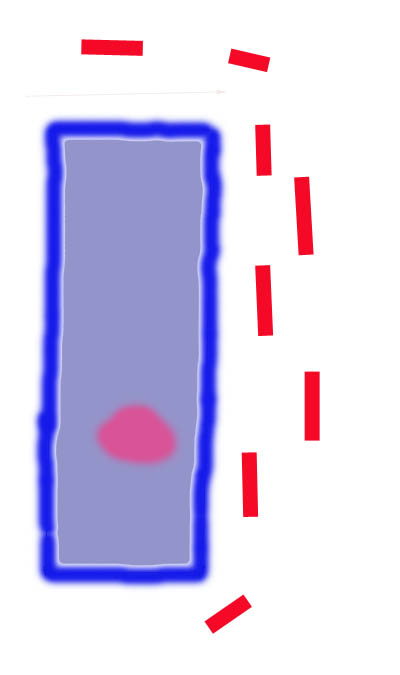
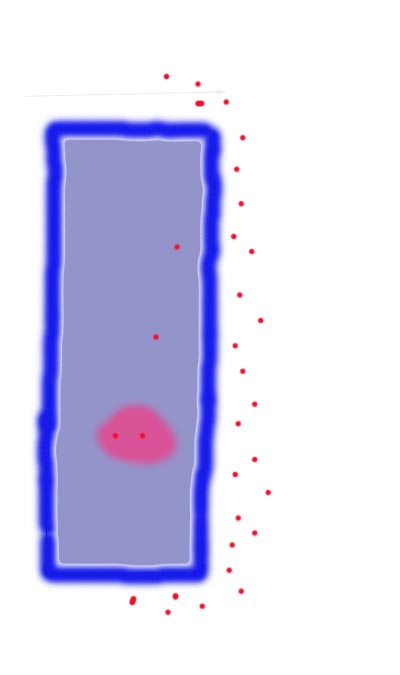
The first drawing again shows a normal cell.

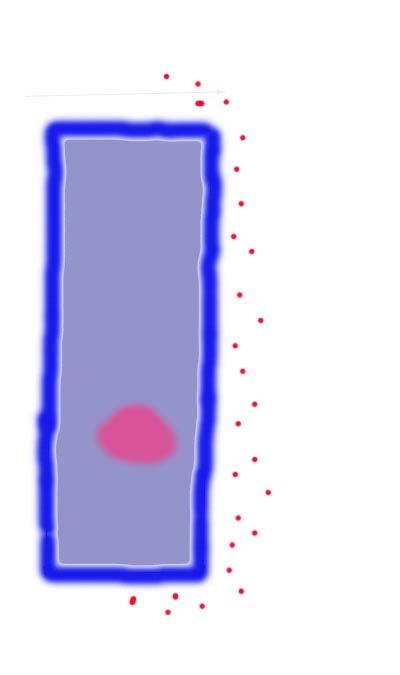
This drawing shows a cell surrounded by viruses. This cell is surrounded bay viruses. In reality viruses are even much smaller in relation to cells than they appear on this drawing.
This drawing illustrates how a few viruses entered a the cell. The virus is now inside the cell and are going to take over control. The cell will be altered and assume new functions as explained in the next drawing.
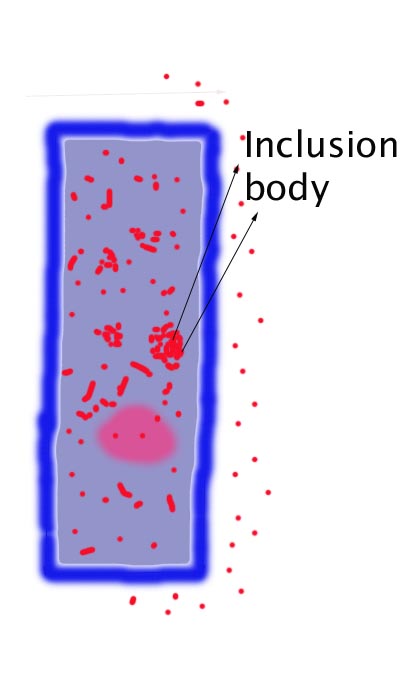
This drawing shows how the cell is altered and producing new viruses. The cell is altered by the invading virus. The virus contains either DNA or RNA (the material containing genes) and the viral genetic material changes the cell. The cell's function is changed and instead of functioning normally all it's resources is now directed in producing new viruses. Some of these virus producing areas in the cell are visible on light microscopes as inclusion bodies and may help doctors in diagnosing viral infections.
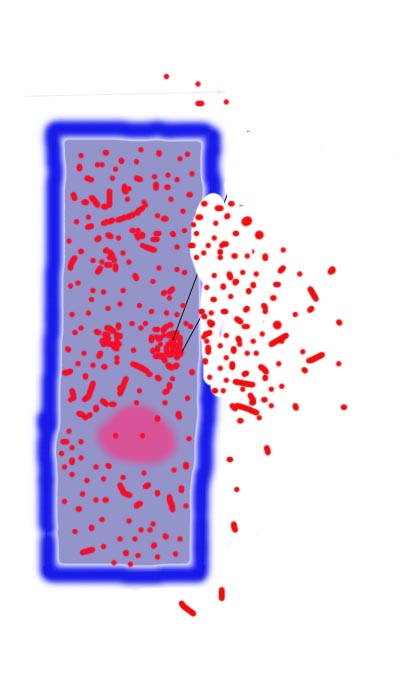
This drawing illustrates the death of the cell and the releasing of new viruses. The cell died and it's cell wall ruptured. Viruses are released and this new viruses will infect other cells , causing destruction of more cells.
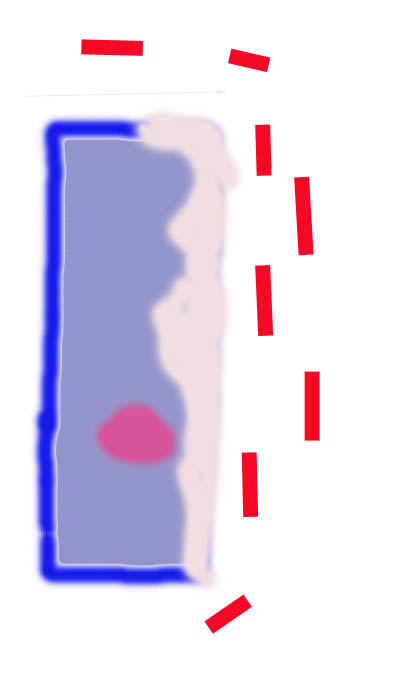
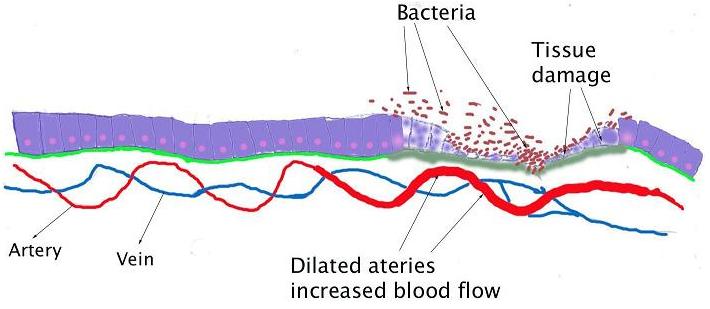
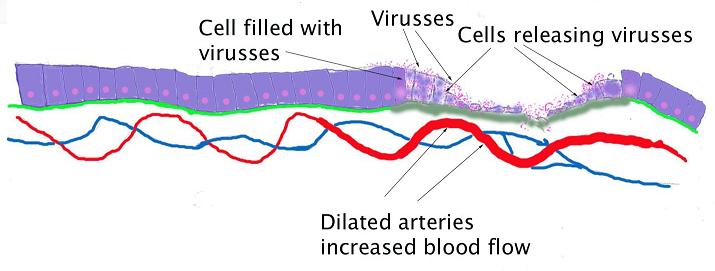
This drawing shows how a viral infection is destroying tissue. Severe tissue destruction caused by a viral infection is shown. The tissue destruction also causes an inflammatory reaction with pain and swelling.
Certain viruses only attacks certain tissues, while others can effect the whole body.
Many of the most feared diseases are caused by viruses, diseases like polio, small pox, encephalitis (brain infections)and yellow fewer . Influenza , the common cold, measles, chicken pox are also examples of viral infections.
Herpes is a virus disease that effects the external genitalia.
A virus might also enters a cell without causing an immediate change in the cell. It may become part of the cell's DNA (genetic material) . This type of virus may play an important role in the development of abnormal growths and cancer. The cell and and it's successors are slowly changed until they are abnormal to such an extend that the body is unable to control there growth.
Bacterial infections are treated with antibiotics, specialized drugs that kill bacteria while having very little or no influence on human cells. Viruses are manufactured in cells and antibiotics have no effect on them. There are now anti viral drug available. The way in which they work are very complicated and they are mostly just effective against the herpes and HIV types of viruses.
What happens to the tissue that was damaged by the infection?.
1. It heals completely.
2. It heals nearly completely with scarring.
3. It heals with a lot of scaring effecting function ( an example is blocked fallopian tubes following an infection) Infertility Look under damage tubes.
4. The infection becomes chronic. In this case healing and scarring occurred but the healing is incomplete. The infectious agent continuous to cause damage in spite of the attempted healing of the damage area. This type of infection can cause severe damage and deformity in the effected organs.
|